
Understanding the psychological triggers that drive gamblers to risk it all
The Thrill of Uncertainty
The allure of gambling often lies in its inherent uncertainty. For many, the unpredictable nature of games like poker, blackjack, or roulette can create a compelling thrill that keeps them coming back. This uncertainty activates a psychological response known as variable reinforcement, where rewards are delivered at irregular intervals, heightening the excitement. Players might find fast withdrawal casinos beneficial as they strive for big wins against the odds.
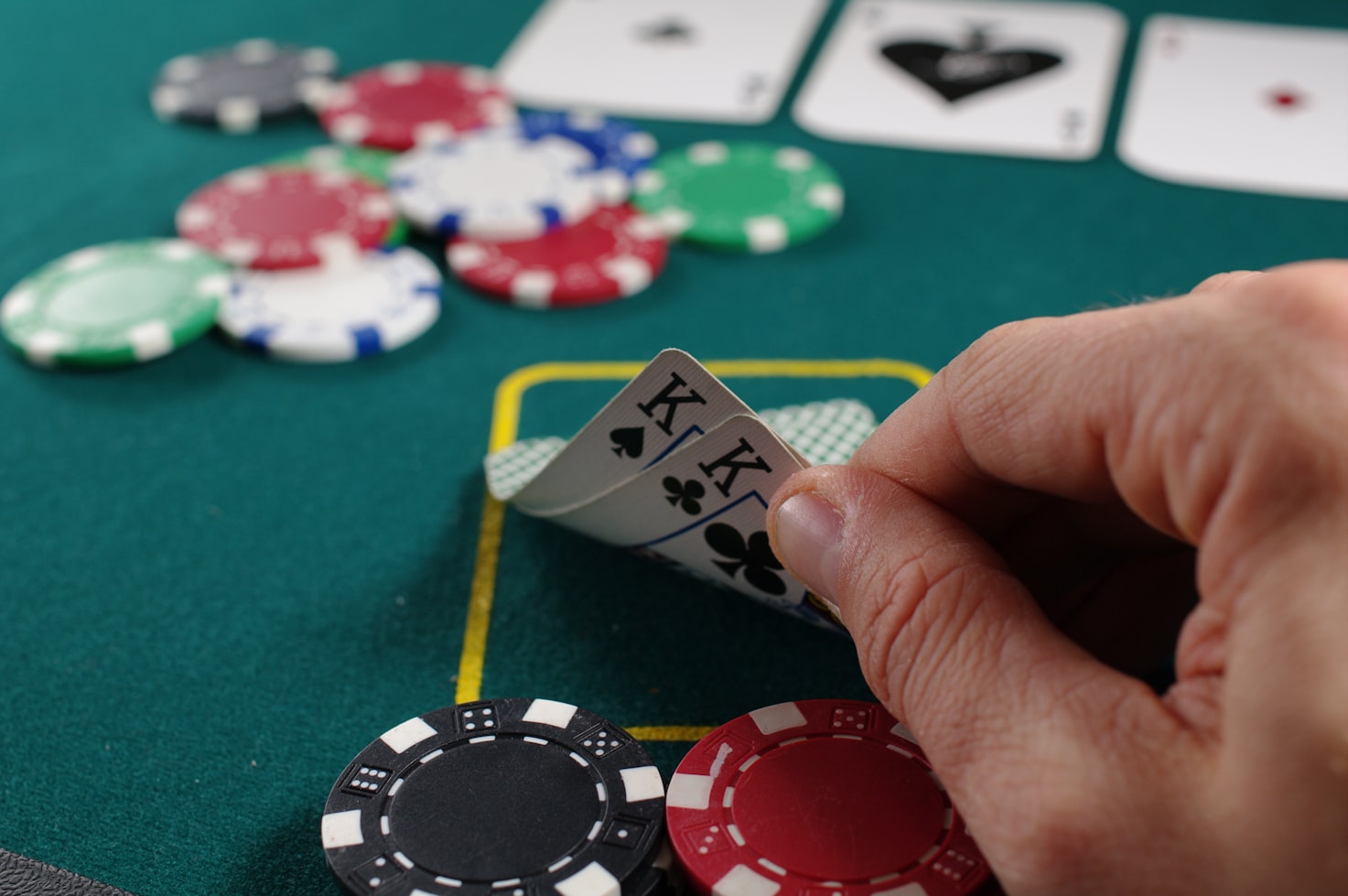
This uncertainty can lead to a state of euphoria, which some experts refer to as the “gambling high.” When players win, they experience a surge of dopamine, a neurotransmitter associated with pleasure and reward. This chemical reaction reinforces the behavior, encouraging them to take more risks in pursuit of additional wins. Even the possibility of winning can be more powerful than the reality, as the human brain often prioritizes potential rewards over actual outcomes.
Moreover, the thrill of risking it all often feeds into a gambler’s desire to escape from reality. Life’s daily stresses and challenges can make the excitement of gambling feel like a liberating alternative. As players immerse themselves in the unpredictable world of gambling, they find a temporary sanctuary from their concerns, making the urge to gamble even more powerful.
Social Influences and Community
The social aspect of gambling also plays a significant role in driving individuals to risk it all. Many gamblers engage with friends or family, turning an individual act into a communal experience. This social environment not only enhances the thrill but also creates a sense of belonging. Shared experiences in casinos or online platforms foster camaraderie, often leading to increased betting to maintain a social standing among peers.
In group settings, players may feel pressure to match their companions’ wagers. This social conformity can push individuals to gamble larger amounts than they initially intended, driven by the fear of missing out or the desire to impress others. The phenomenon of groupthink often diminishes personal judgment, causing gamblers to overlook their limits as they become consumed by the thrill of competition.
Additionally, high-profile gambling events or even social media portrayals of gambling successes can glamorize risky behaviors. When players witness influencers or friends winning big, they may be compelled to replicate that success, disregarding the risks involved. Such communal narratives can foster unrealistic expectations and fuel a relentless pursuit of the next big win.
The Illusion of Control
Another psychological trigger that drives gamblers is the illusion of control. Many players believe that they can influence outcomes through skill, strategies, or even superstitions. This belief can be particularly prevalent in games that involve an element of skill, such as poker or sports betting. When individuals perceive that their actions can sway the results in their favor, they are more likely to take significant risks.
The perception of control is further exacerbated by the fact that gamblers often attribute their successes to skill rather than luck. This cognitive bias, known as the “illusion of skill,” can lead to overconfidence and reckless betting. When players believe they have control over their outcomes, they may disregard the statistical probabilities and engage in riskier behavior, convinced they will defy the odds.
Moreover, the psychological concept of ‘loss aversion’ plays into this dynamic. Gamblers may feel compelled to continue playing in an attempt to recover losses, believing that their expertise will eventually yield a favorable outcome. This belief can result in a vicious cycle, where the desire to regain control over losses leads to greater financial risks, further entrenching them in the gambling experience.
The Role of Emotions
Emotions significantly influence gambling behavior, making them a crucial psychological factor in understanding why individuals risk it all. Players often gamble to cope with emotions such as stress, anxiety, or depression. The act of betting can temporarily distract them from negative feelings, creating an emotional escape. This coping mechanism can be both appealing and dangerous, as it may lead to compulsive gambling habits.
Additionally, the emotional rollercoaster that gambling provides is a critical driver for many players. The highs of winning and the lows of losing can lead to a powerful emotional experience that becomes addictive. Gamblers may find it challenging to resist the urge to chase that next high, even if it means risking substantial amounts of money. This pattern can lead to a dangerous cycle where emotional satisfaction is tied directly to gambling outcomes.
Furthermore, emotional triggers can be influenced by environmental factors, such as the ambiance of a casino or the design of online gaming platforms. Bright lights, sounds, and other sensory elements are intentionally crafted to enhance excitement and elicit emotional responses. Gamblers may become conditioned to associate these stimuli with pleasure, making it even harder to resist the call of gambling.
Exploring Solutions and Resources
For those grappling with the psychological triggers that drive them to gamble, understanding these underlying factors is the first step towards recovery. Numerous resources are available, including counseling services, support groups, and educational programs focused on responsible gambling. These resources aim to equip individuals with the tools needed to recognize and manage their impulses effectively.
Additionally, raising awareness about the psychological aspects of gambling can empower players to make more informed decisions. Educational initiatives can help individuals understand the risks associated with gambling and the emotional implications tied to their behavior. This knowledge is crucial in fostering responsible gambling habits and preventing the progression to more severe gambling disorders.
As the gambling landscape continues to evolve, it is essential for players to remain vigilant about their mental health. By exploring various solutions and engaging with community support, individuals can find healthier outlets for their emotions and reduce the likelihood of falling into compulsive gambling patterns.

Your Guide to Responsible Gambling
Understanding the psychological triggers behind gambling is vital for anyone looking to engage with this activity. Our website offers comprehensive insights into responsible gambling, providing the knowledge necessary to navigate the complexities of gambling behavior. From tips on setting limits to resources for support, we aim to empower players to make informed choices.
By highlighting the psychological influences and offering guidance on recognizing harmful patterns, we promote a balanced approach to gambling. We believe that by educating players, we can help them enjoy the excitement of gambling while minimizing risks and negative consequences. Whether you are a casual player or a high roller, responsible gambling practices are essential for a fulfilling gaming experience.
Join us on our platform to explore more about responsible gambling, its psychological aspects, and how to create a safe and enjoyable gaming environment. Together, we can work towards a healthier approach to gambling, allowing everyone to enjoy the thrill without compromising their well-being.